

Carbon Fiber Sheets: Applications, Benefits and the Future of Lightweight Composite Materials
As modern engineering continues to demand lighter, stronger and more efficient structures, carbon fiber sheets have become an increasingly important form of advanced composite material.
From aerospace structures and automotive components to robotics, industrial equipment and unmanned aerial vehicles, carbon fiber can provide a combination of low weight, high stiffness and structural performance that is difficult to achieve with conventional materials.
The growth of carbon fiber applications also extends far beyond flat sheets. Today, engineers can choose from carbon fiber plates, carbon fiber panels, carbon fiber rods, carbon fiber pipe and many other carbon fiber products, depending on the geometry and mechanical requirements of a project.
At the center of this development is CFRP — carbon fiber reinforced polymer, a composite material that combines carbon fiber reinforcement with a polymer resin matrix. 76Plastic’s own technical material explains CFRP in terms of its lightweight construction, stiffness, corrosion resistance and design flexibility.
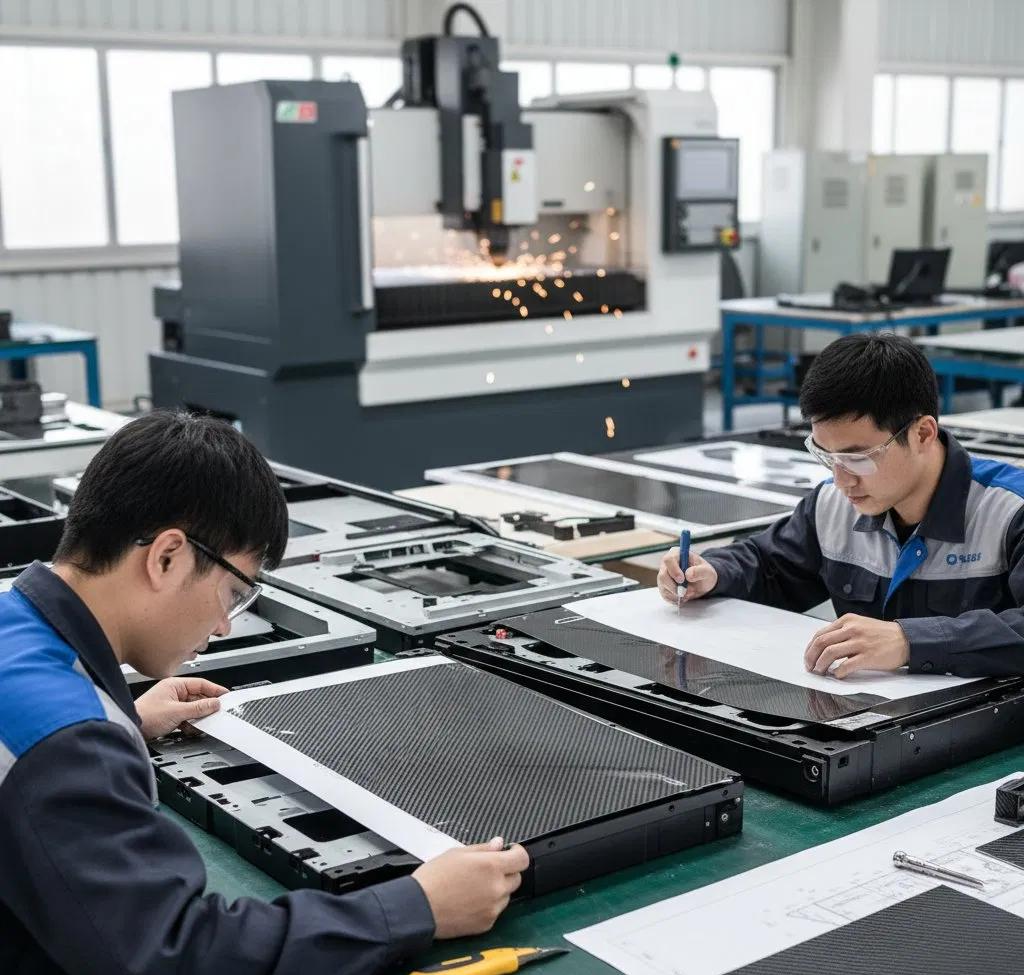
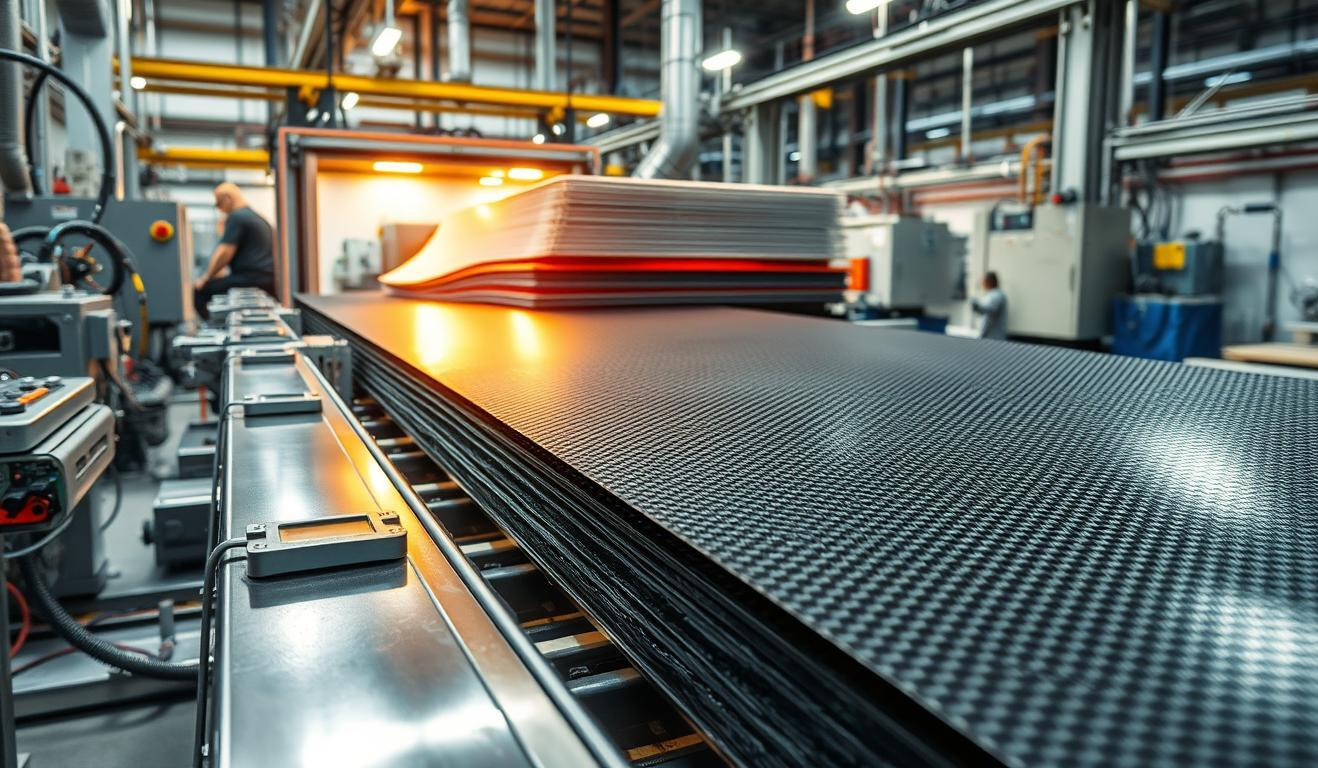
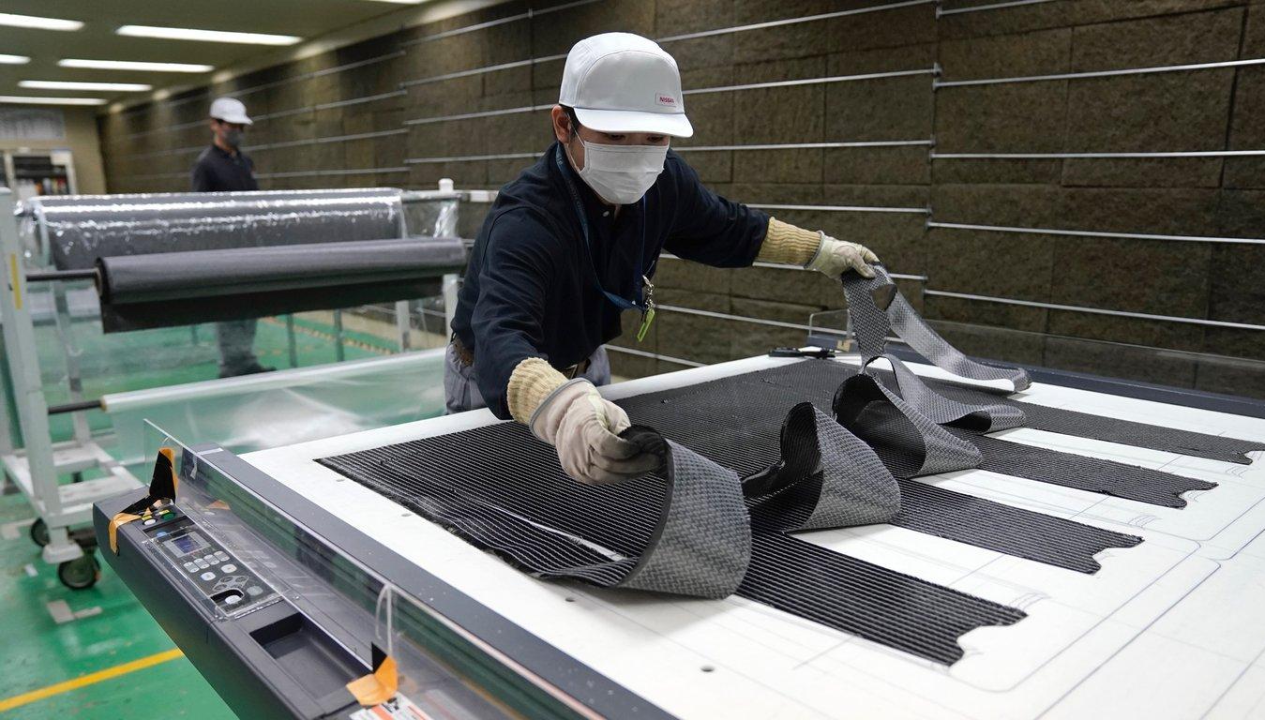
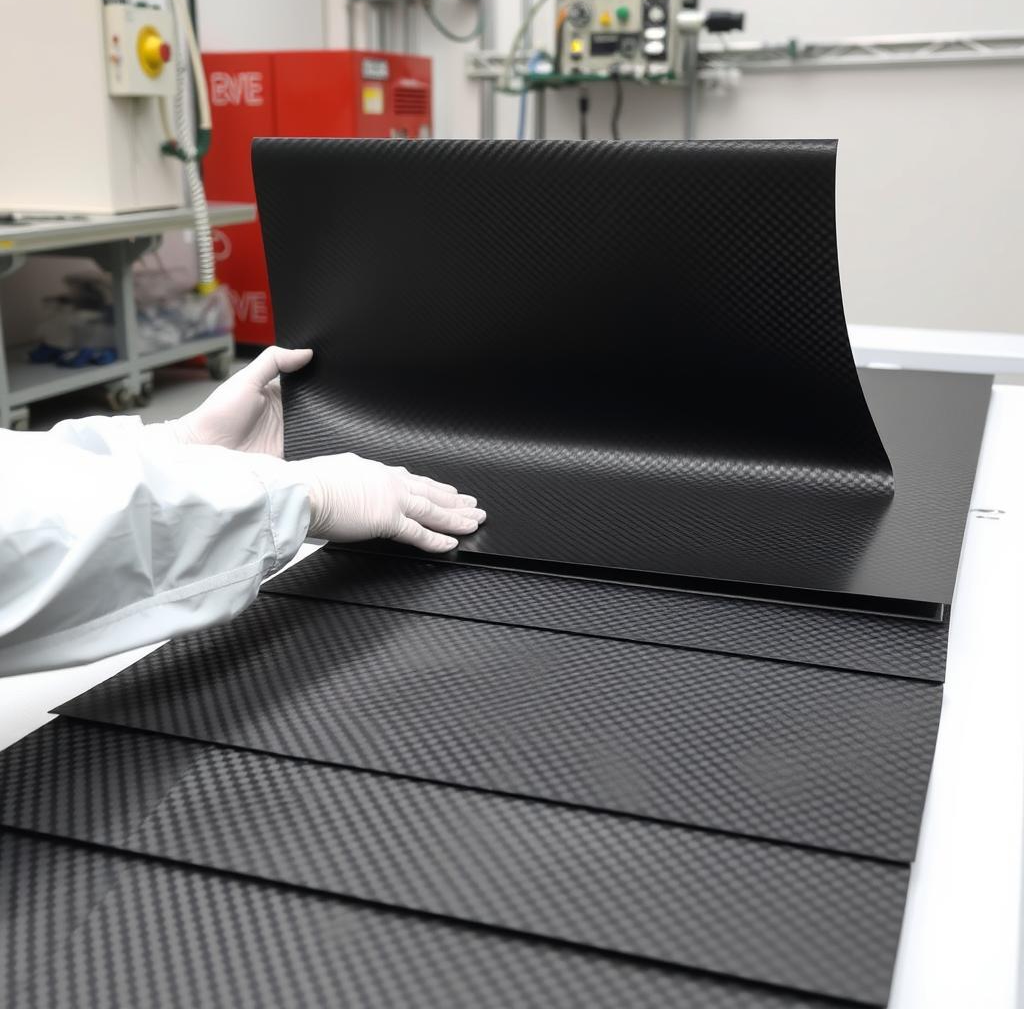
ALT: Carbon fiber sheets and plates for lightweight composite applications
What Are Carbon Fiber Sheets?
Carbon fiber sheets are flat composite laminates made by combining carbon fiber reinforcement with a resin matrix, typically using carefully controlled fiber orientations and curing processes.
The carbon fibers provide much of the strength and stiffness, while the resin binds the reinforcement together and transfers loads throughout the laminate.
The performance of a sheet therefore depends on much more than simply the presence of carbon fiber. Factors such as:
- Fiber type
- Fiber orientation
- Weave pattern
- Laminate sequence
- Resin system
- Sheet thickness
- Manufacturing process
- Surface finish
can all influence the final properties of the material.
For example, the current 76Plastic Carbon Fiber Sheets specification lists a 3K + UD + 3K lay-up, Japan Toray carbon fiber fabric, approximately 90% carbon fiber content, and thicknesses from 0.2 mm to 60 mm, with customized dimensions and laminate configurations available.
For buyers looking for a dedicated supplier, see:
Carbon Fiber Sheets Manufacturer – 76Plastic
Why Are Carbon Fiber Sheets Important in Modern Engineering?
The main attraction of carbon fiber is its ability to deliver high mechanical performance without adding unnecessary weight.
This is particularly important in applications where every kilogram matters.
1. High Strength-to-Weight Performance
Carbon fiber composites are widely used where engineers need stiffness and strength while keeping component mass low.
This characteristic has contributed to the adoption of carbon fiber in aircraft, automotive structures, sporting equipment, robotics and other weight-sensitive applications. Industry sources such as AZoM also highlight the importance of carbon fiber composites in lightweight aerospace and automotive engineering.
2. High Stiffness
A properly designed carbon fiber laminate can provide excellent rigidity.
This makes carbon fiber sheets particularly useful for:
- Structural panels
- Equipment plates
- Mounting plates
- Reinforcement components
- Robotics structures
- Drone frames
- Aerospace components
3. Corrosion Resistance
Carbon fiber composites do not rust like conventional steel.
This can make carbon fiber attractive in applications where moisture, chemicals or demanding environmental conditions are concerns. However, the complete component’s environmental resistance also depends on the resin system, joints, coatings and other materials used.
4. Dimensional Stability
Carbon fiber laminates can offer good dimensional stability, which is valuable for precision components and structures where excessive deformation is undesirable.
Carbon Fiber Sheets vs. Carbon Fiber Plates and Panels
Although the terms are sometimes used interchangeably, carbon fiber sheets, carbon fiber plates and carbon fiber panels can refer to different product formats depending on thickness, construction and application.
A thin carbon fiber sheet may be used for lightweight covers or fabricated components, while a thicker carbon fiber plate may be selected where greater rigidity is required.
Carbon fiber panels can also incorporate sandwich structures or other engineered cores when designers need a larger rigid surface without unnecessarily increasing weight.
76Plastic already offers dedicated CFRP Plates alongside its carbon fiber sheet products, creating a natural product cluster around this topic.
For manufacturers, the important question is therefore not simply “Which carbon fiber product is strongest?” but rather:
Which laminate structure, thickness and geometry provide the required performance for the application?
From Carbon Fiber Material to Complete Carbon Fiber Products
The development of the composite industry has created an extensive range of carbon fiber products.
Flat sheets are only one part of the larger material ecosystem.
Depending on the application, carbon fiber can be manufactured into:
- Carbon fiber sheets
- Carbon fiber plates
- Carbon fiber panels
- Carbon fiber rods
- Carbon fiber tubes
- Carbon fiber pipe
- Structural profiles
- CNC-machined components
- Custom composite parts
This flexibility allows engineers to select the geometry that best matches the load path of a component.
For example, a flat panel may be appropriate for a mounting structure, while a tube or rod can provide efficient stiffness along a specific axis.
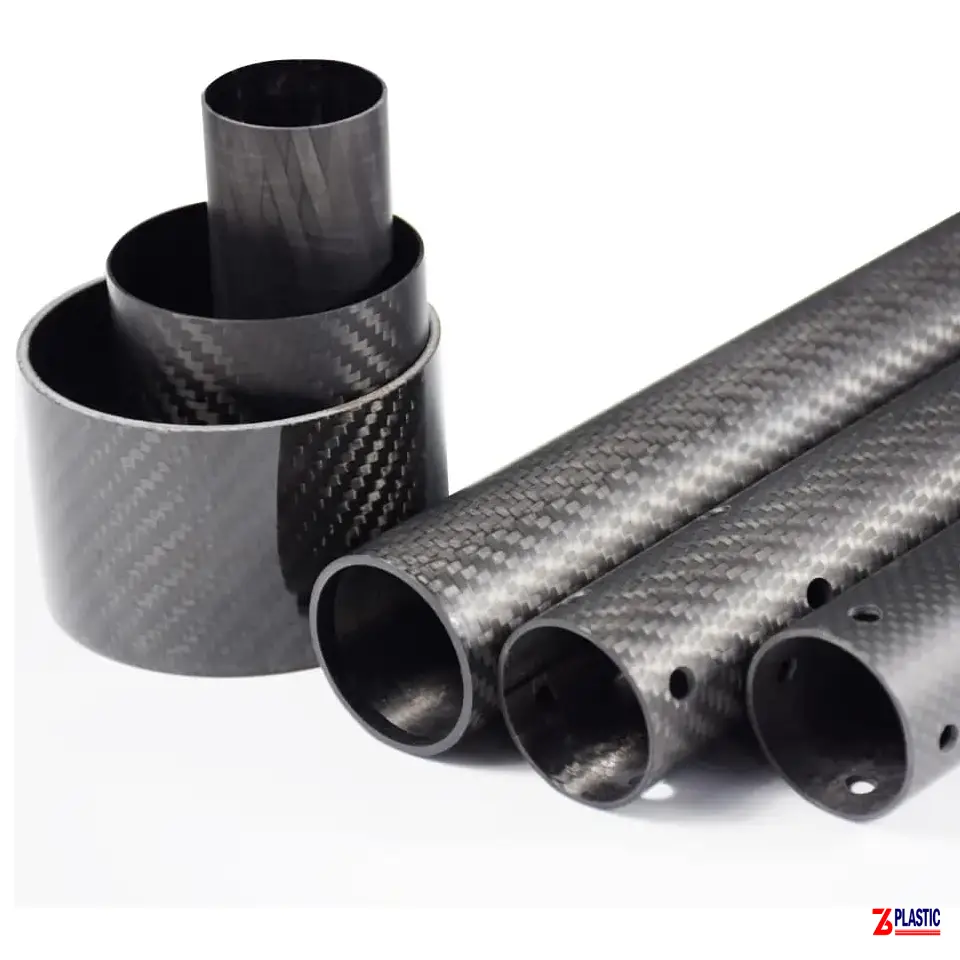

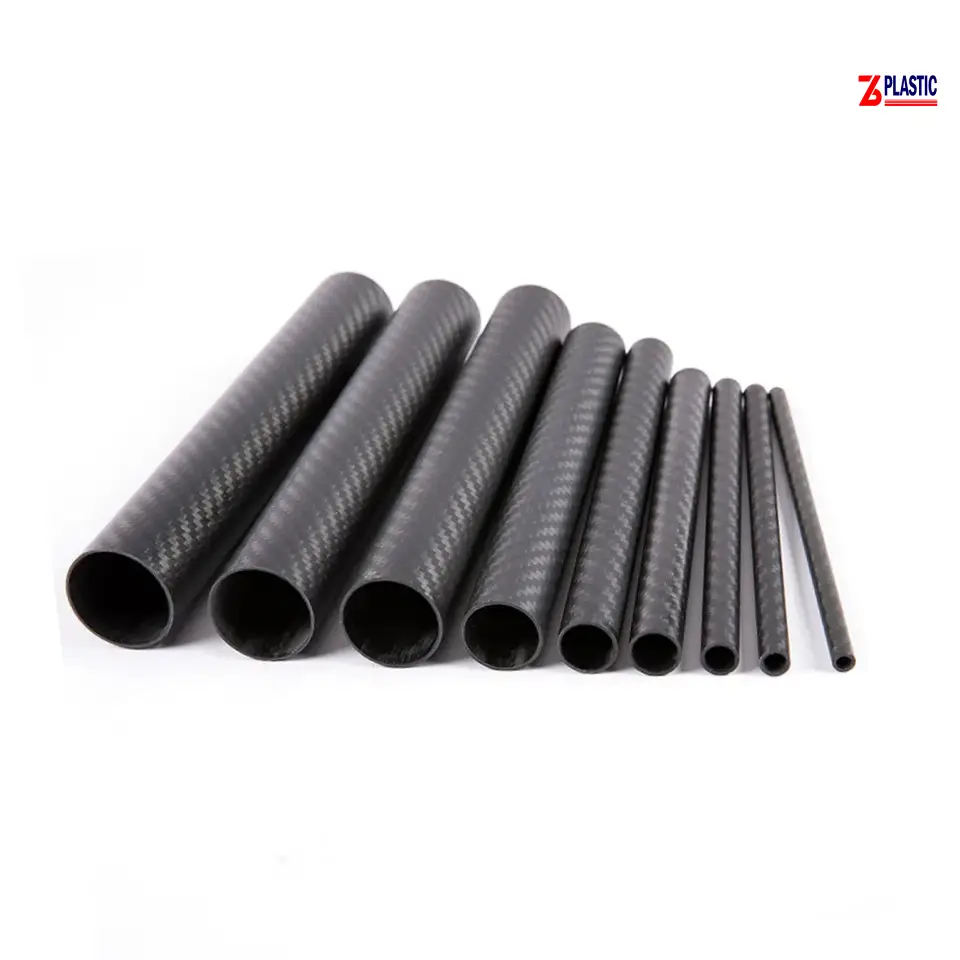
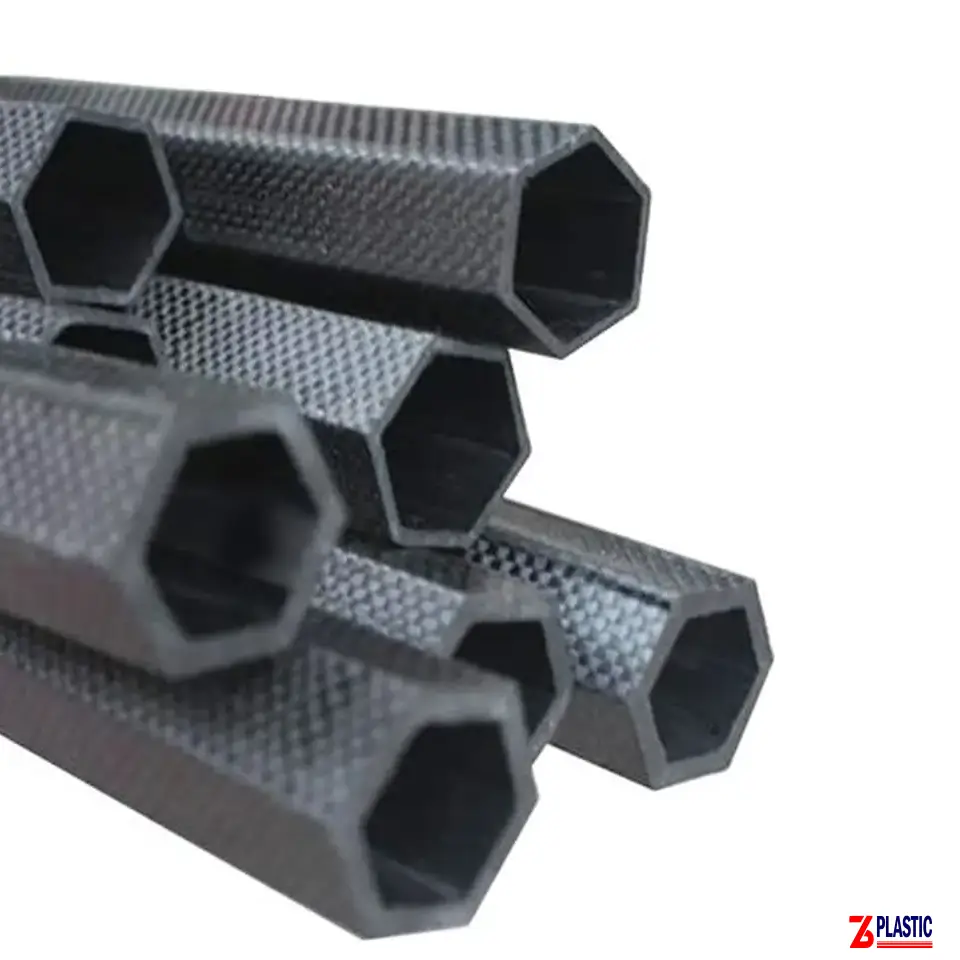
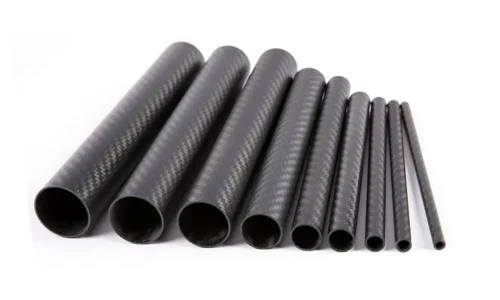
Carbon fiber products including sheets panels rods and tubes
Carbon Fiber Tubes, Pipes and Rods for Structural Applications
When a project requires a tubular or linear structure rather than a flat surface, carbon fiber pipe and carbon fiber rods can provide an efficient alternative to metal profiles.
Carbon fiber tubes are widely used in aerospace, automotive, robotics, sports equipment and industrial structures. 76Plastic’s existing technical article covers applications ranging from aircraft structures and automotive components to bicycles, robotics and construction.
Carbon Fiber Tubes: Versatile Materials for Modern Industries
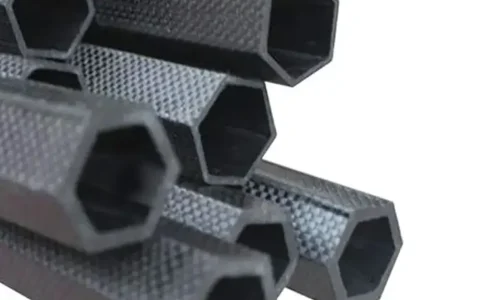
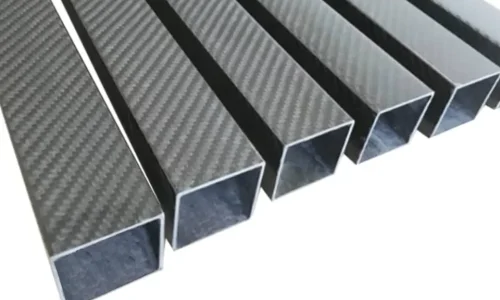
76Plastic also has dedicated carbon fiber tubing products and newer technical content covering rectangular, square, round and hexagonal profiles.
This creates an opportunity to connect the carbon fiber sheets topic with the broader carbon fiber product cluster rather than treating each product as an isolated page.
Carbon Fiber in Aerospace and Automotive Engineering
Aerospace remains one of the most important application areas for carbon fiber composites because reducing structural weight can have a significant effect on aircraft efficiency and performance.
Research and industry publications have documented extensive use of CFRP in modern aircraft structures. AZoM, for example, describes CFRP as an important aerospace material because of its low density and structural performance.
The automotive industry is also an important market.
Carbon fiber composites can be used in:
- Body panels
- Chassis components
- Structural reinforcements
- Interior components
- Racing components
- Electric vehicle applications
The combination of lightweight construction and stiffness makes carbon fiber attractive where manufacturers are attempting to reduce vehicle mass without simply reducing structural performance.
UAV Carbon Fiber: Why Lightweight Structures Matter
One of the most interesting growth areas for carbon fiber is the UAV and drone industry.
An unmanned aerial vehicle must carry batteries, motors, electronics, cameras or other payloads while keeping its structural mass under control.
This makes UAV carbon fiber components particularly attractive.
Carbon fiber sheets and plates can be CNC-machined into:
- Drone center plates
- Motor mounting plates
- Structural brackets
- Battery supports
- Electronics mounting plates
- Protective panels
- Airframe components
At the same time, carbon fiber tubes can be used for arms, supports and structural frames.
Drone Carbon Fiber Frame Applications
A drone carbon fiber frame typically requires a combination of low weight, stiffness and dimensional accuracy.
For this reason, engineers may combine different carbon fiber geometries rather than relying on one material format.
For example:
Carbon fiber sheets / plates → central frame and mounting plates
Carbon fiber tubes → arms and structural supports
Carbon fiber rods → lightweight reinforcement or support elements
This illustrates why the broader carbon fiber product ecosystem is becoming increasingly important to UAV manufacturers.
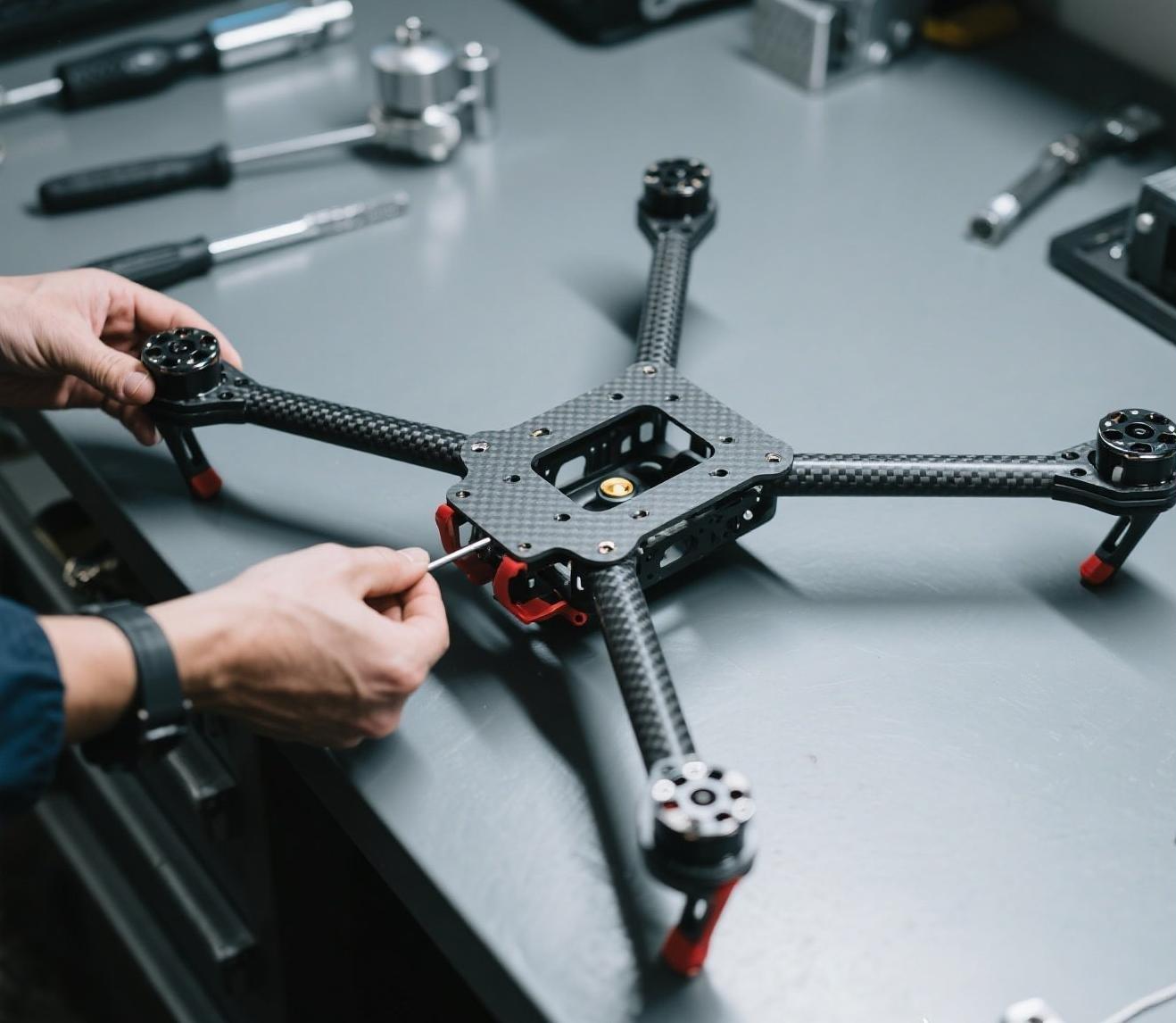
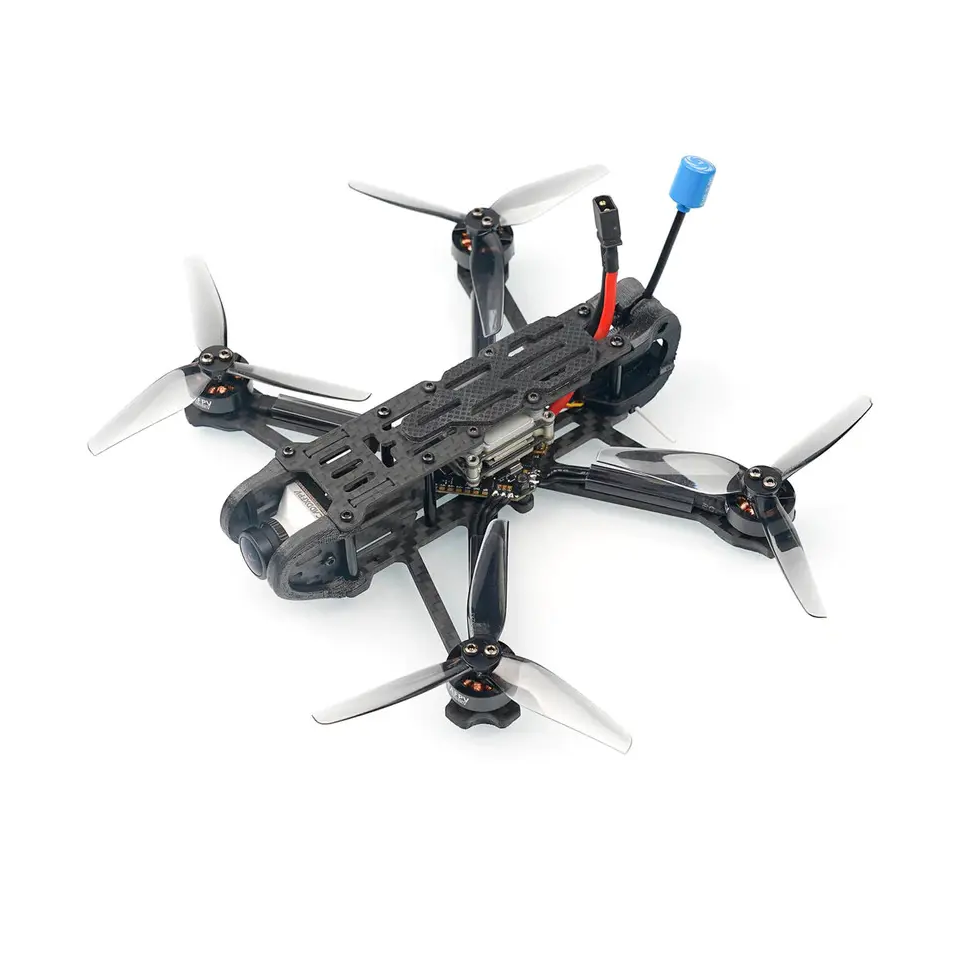
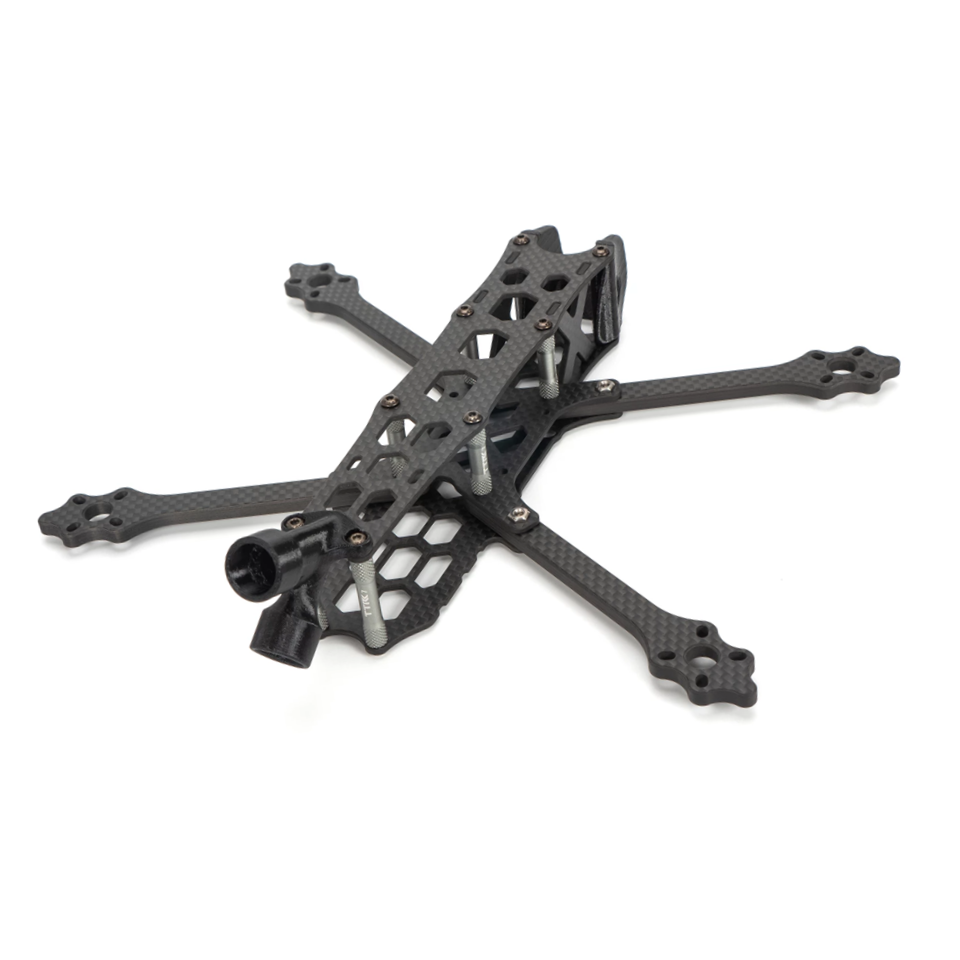
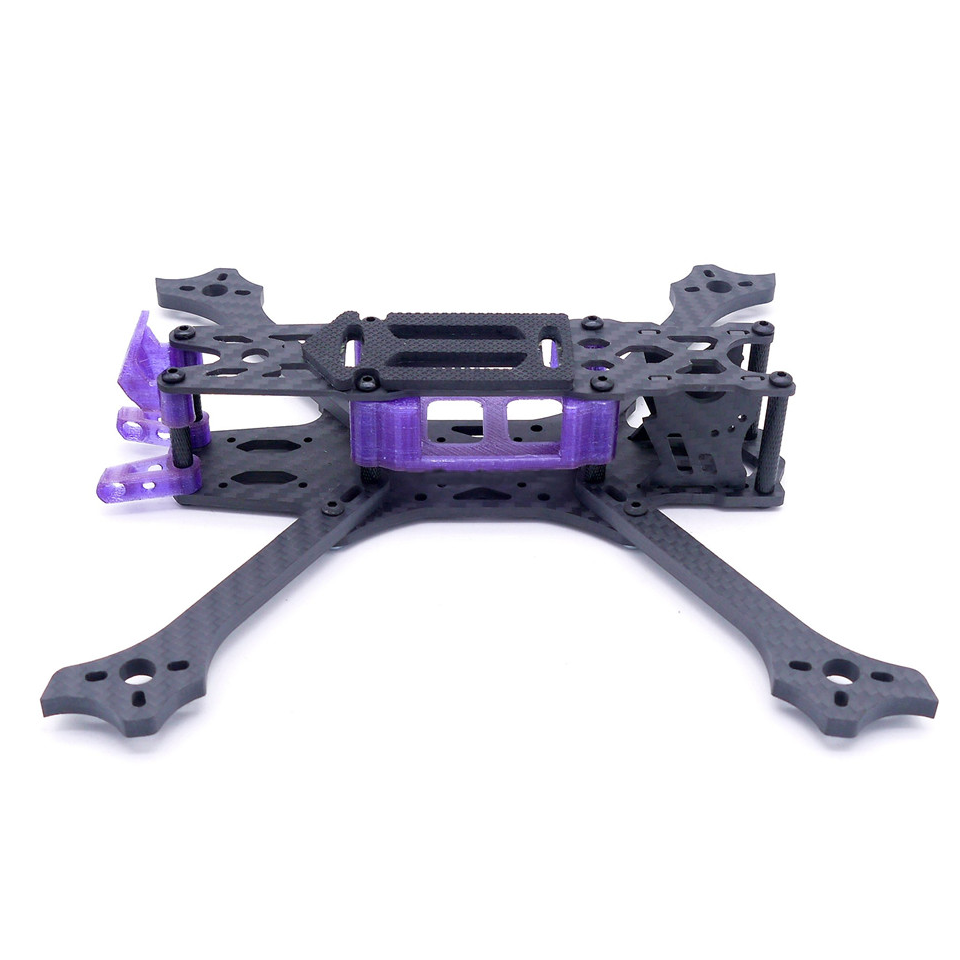
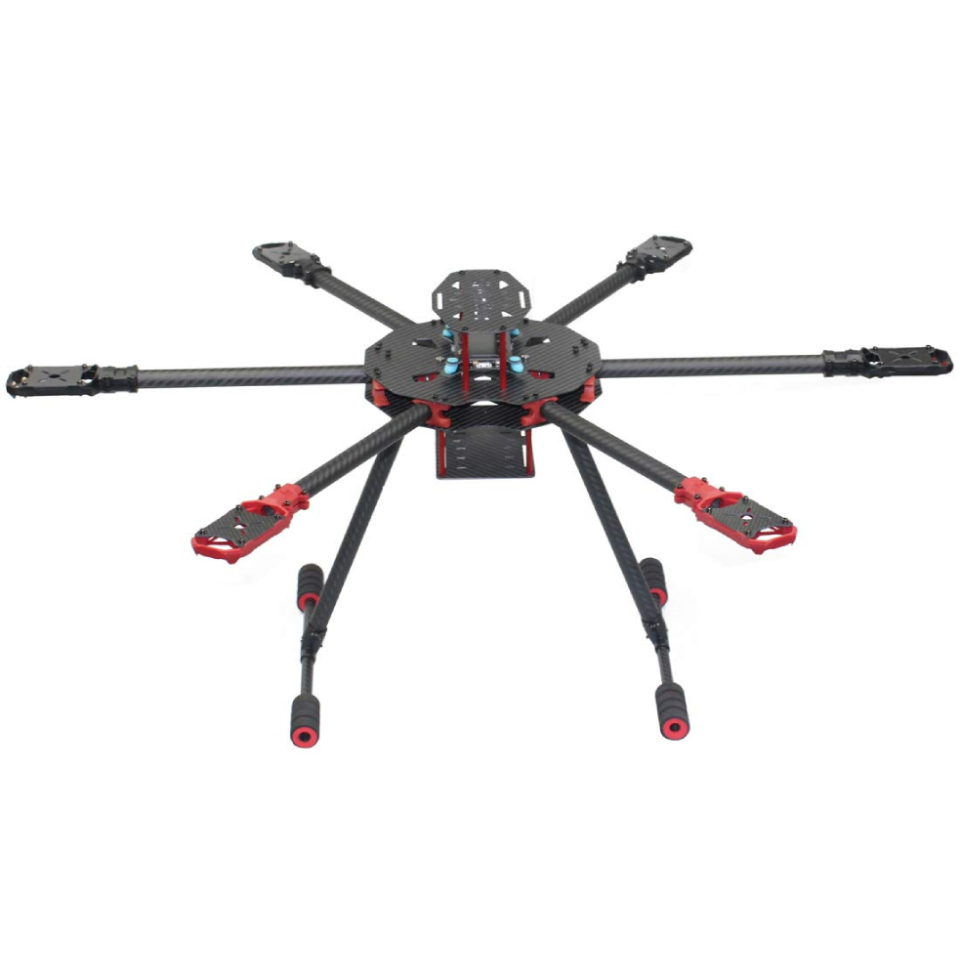
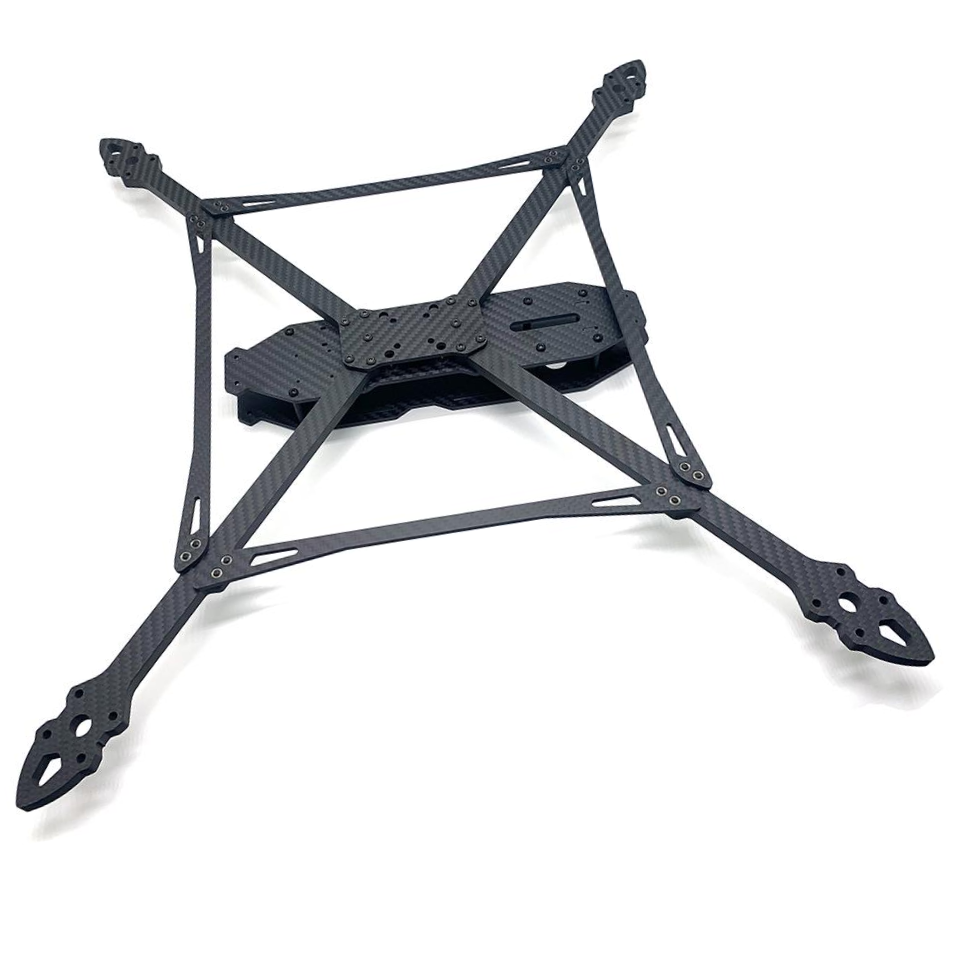
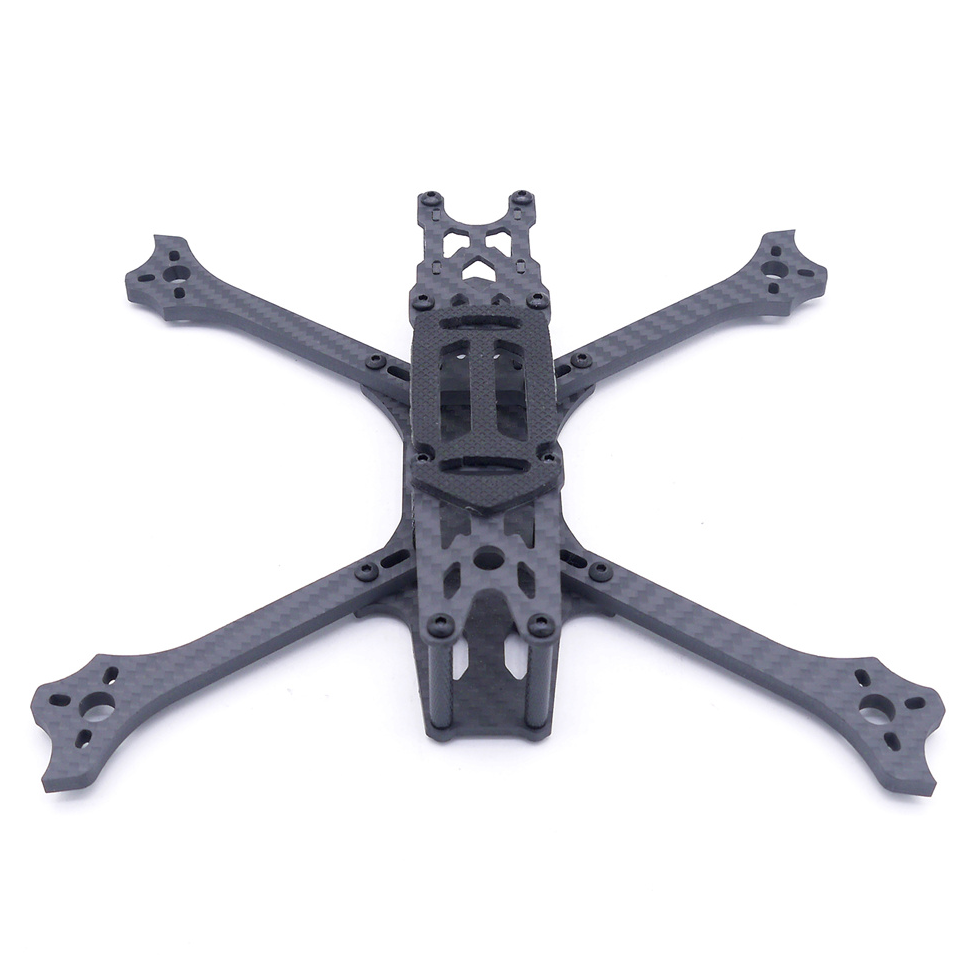
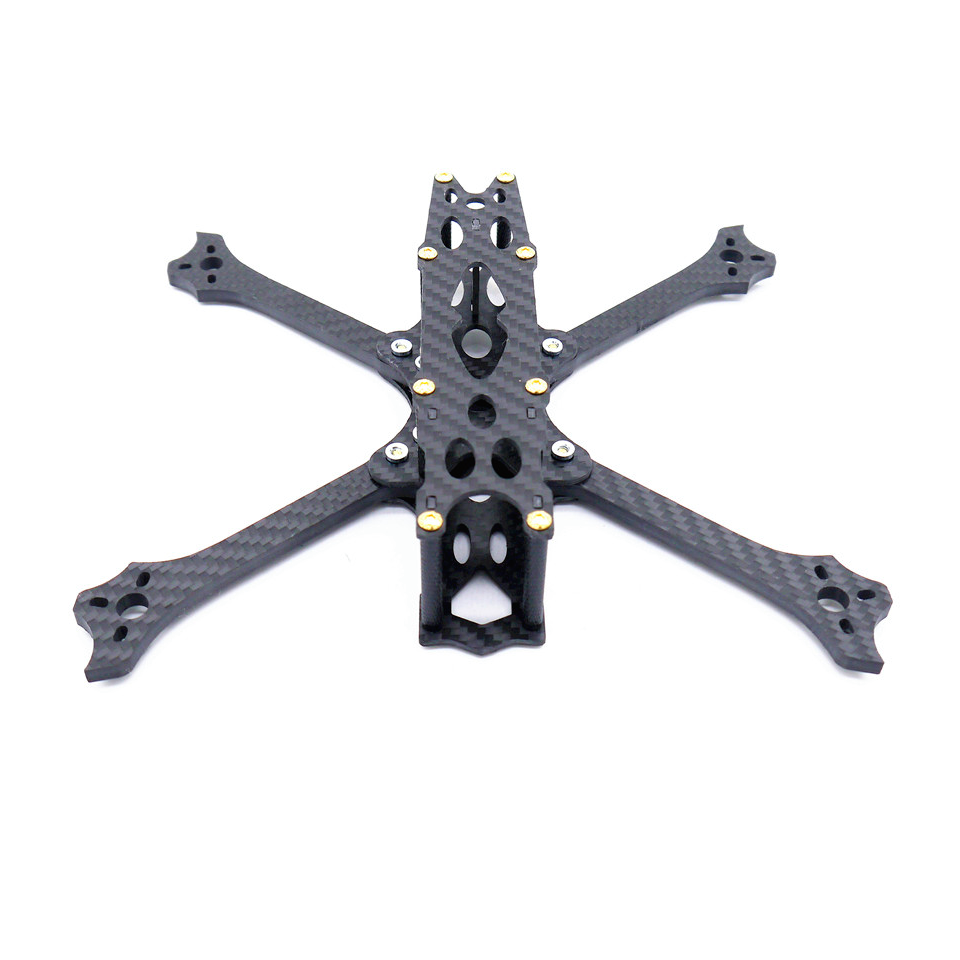
UAV carbon fiber drone frame made from lightweight composite materials
How Carbon Fiber Sheets Are Manufactured
The manufacturing process has a major influence on the performance and consistency of a finished carbon fiber sheet.
A typical CFRP manufacturing workflow can include:
1. Carbon Fiber Preparation
Carbon fiber fabric or unidirectional reinforcement is selected according to the required mechanical properties.
2. Lay-Up
Multiple layers are positioned according to a predetermined laminate schedule.
Fiber orientation is critical because composite materials are direction-dependent.
3. Resin Integration
The carbon reinforcement is combined with a polymer resin matrix.
Depending on the product and manufacturing method, techniques can include prepreg processing, vacuum infusion, compression molding or other composite manufacturing technologies.
4. Curing
The laminate is cured under controlled temperature and pressure conditions to create the final composite structure.
5. Cutting and Finishing
After curing, sheets can be cut, machined, drilled or finished according to customer requirements.
76Plastic’s CFRP manufacturing guide describes raw-material preparation, lay-up/prepreg, molding, curing, finishing and quality control as key stages of its manufacturing approach.
CFRP Composite Manufacturing – 76Plastic
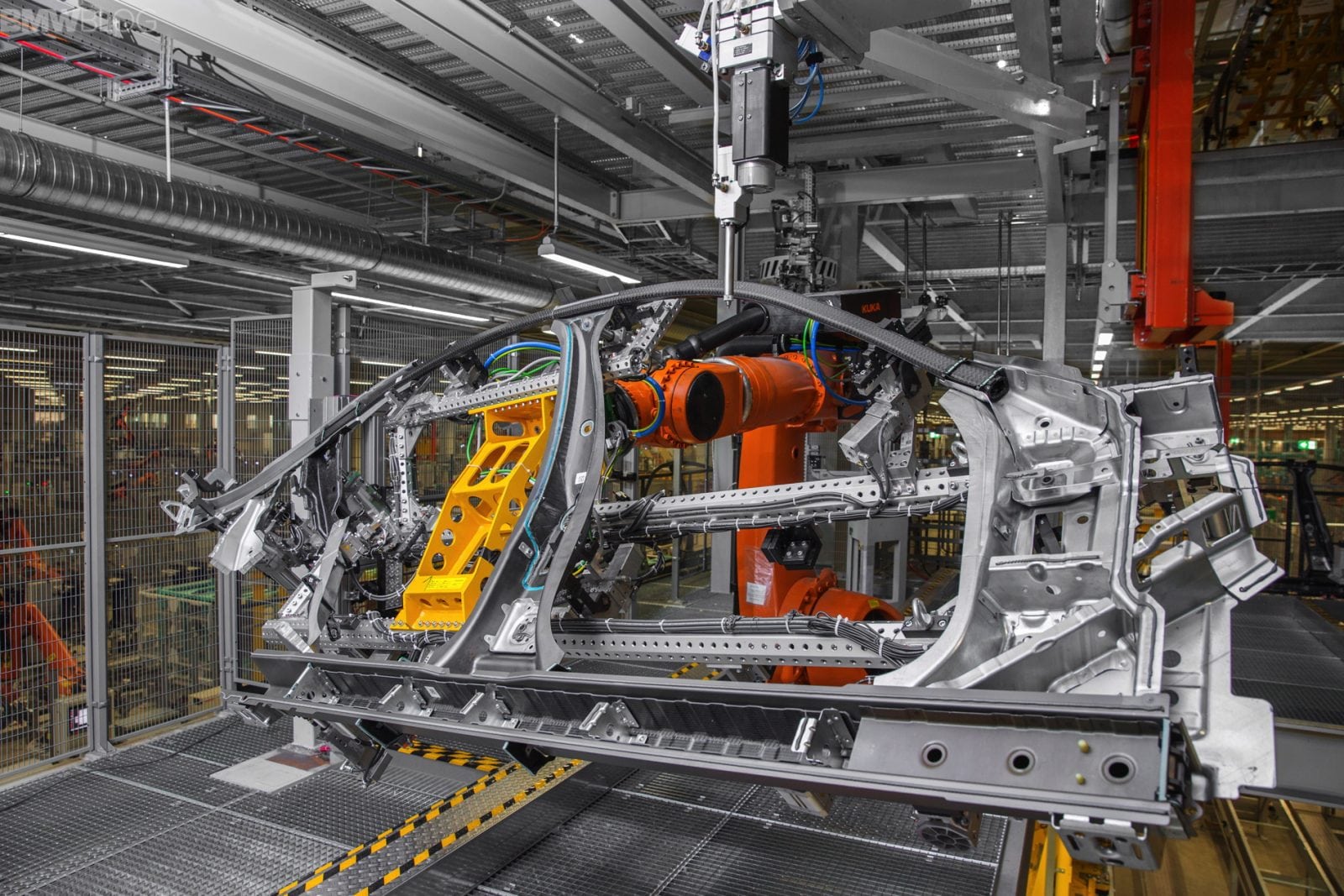
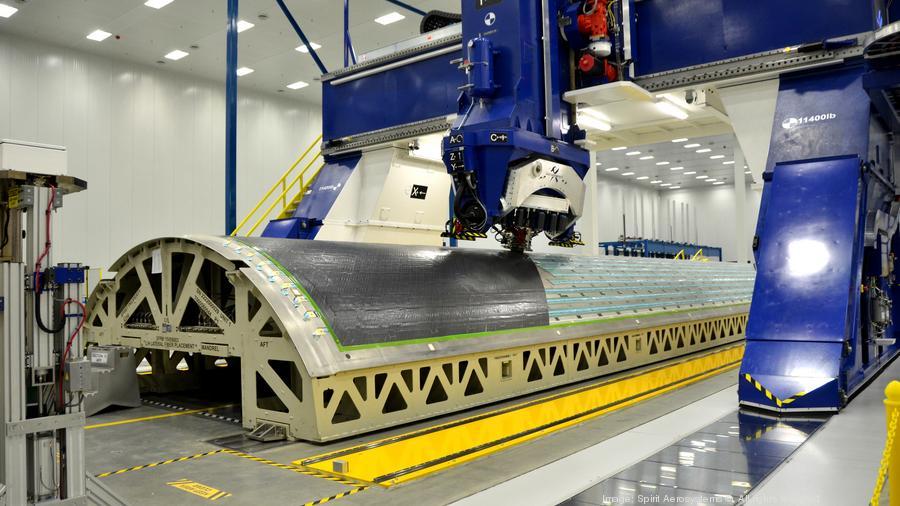
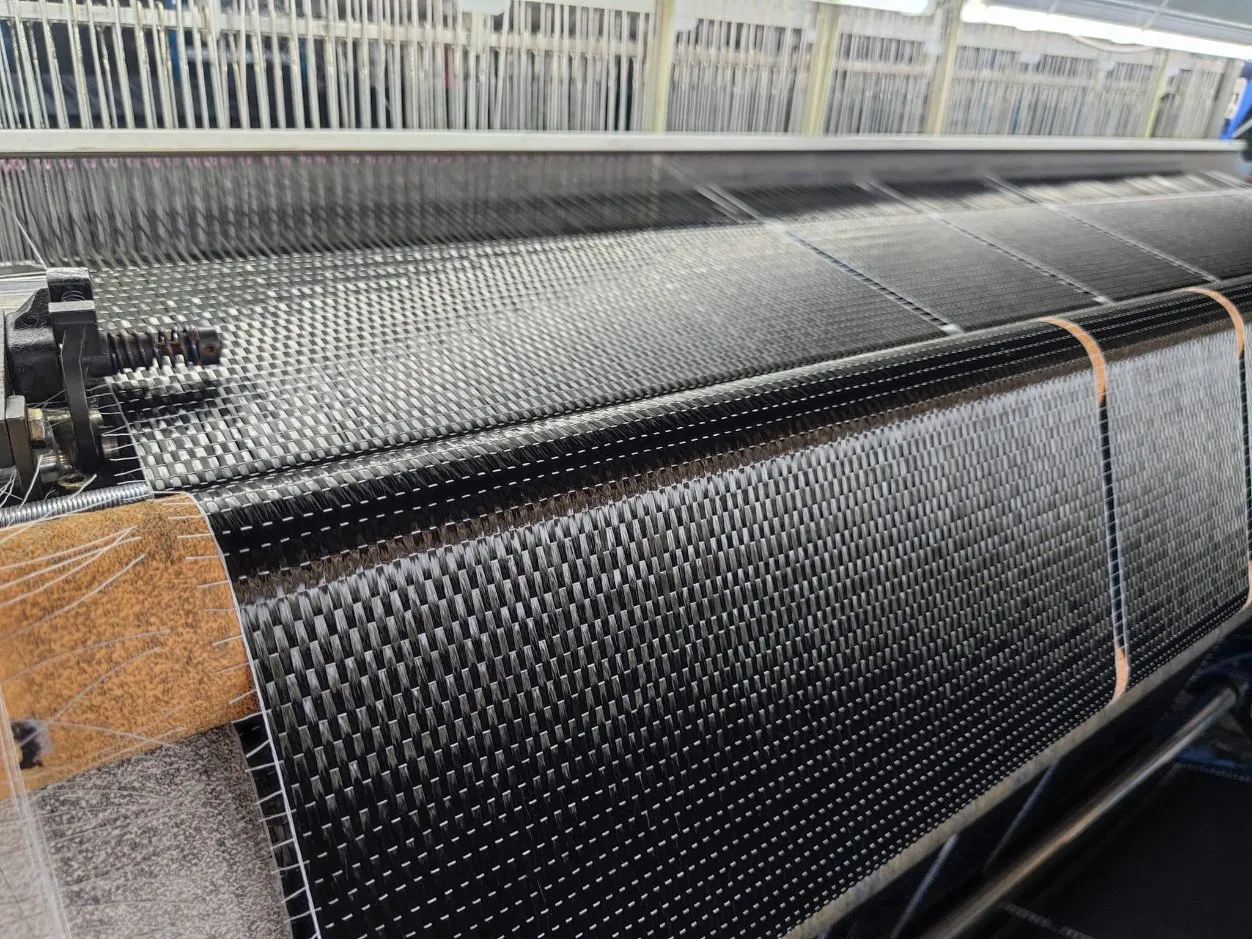
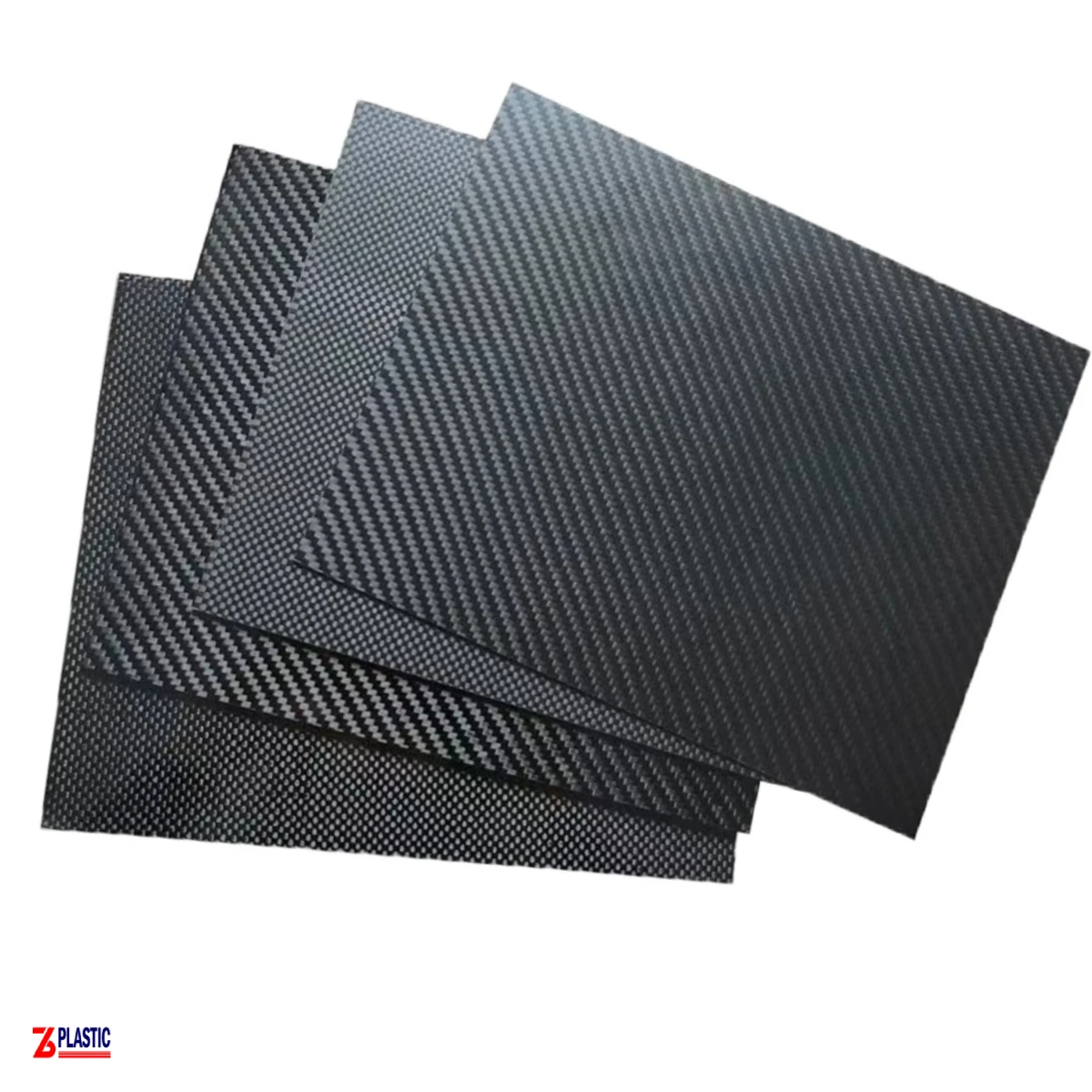
Carbon fiber composite manufacturing and laminate lay-up process
What Should Buyers Look for in a Carbon Fiber Sheets Manufacturer?
Choosing a carbon fiber sheets manufacturer involves more than comparing price per sheet.
For industrial applications, buyers should consider:
Material Specification
Ask about the carbon fiber grade, weave, resin system and fiber orientation.
Laminate Structure
Different lay-up structures can produce different stiffness and strength characteristics.
Thickness and Dimensional Tolerance
The required thickness and tolerance should match the intended fabrication process and final application.
Surface Finish
Glossy, matte, plain weave, twill and other finishes may be available depending on the manufacturer.
Custom Manufacturing
For OEM applications, custom dimensions, CNC cutting, drilling and other finishing operations can simplify downstream production.
Production Consistency
For larger projects, consistency between batches can be just as important as the nominal material specification.
This is where an experienced carbon fiber plates manufacturer or carbon fiber sheets manufacturer can provide value beyond simply supplying raw material.
The Future of Carbon Fiber Materials
The carbon fiber industry continues to develop as manufacturers search for lighter, stronger and more efficient composite structures.
Future development is likely to focus on:
- Faster composite manufacturing
- Automated fiber placement
- Advanced thermoplastic composites
- Improved recycling
- Lower production costs
- CNC and digital manufacturing
- Lightweight UAV structures
- Electric vehicle applications
- High-performance robotics
- Customized composite components
The industry is also exploring ways to make carbon fiber more accessible beyond aerospace and motorsport.
For manufacturers, the long-term opportunity lies in designing complete solutions rather than simply selling raw carbon fiber material.
Choosing the Right Carbon Fiber Solution
There is no single carbon fiber product that is ideal for every application.
A flat carbon fiber sheet may be the right choice for a panel or mounting plate. A thicker carbon fiber plate may be preferable where greater rigidity is required. A carbon fiber pipe, tube or rod may be better for lightweight frames and structural members.
The most effective approach is to consider:
Application → Load → Geometry → Fiber orientation → Laminate → Manufacturing process → Final cost
This approach helps engineers select a carbon fiber material that delivers the required performance without unnecessary material or manufacturing costs.
Conclusion
The growing use of carbon fiber sheets reflects a broader transformation in modern engineering toward lightweight and high-performance composite materials.
From carbon fiber plates and carbon fiber panels to carbon fiber rods, tubes and pipe, today’s carbon fiber products can be engineered for a wide range of applications.
Aerospace and automotive industries continue to use carbon fiber for weight-sensitive structures, while robotics, industrial equipment and UAV applications are creating new opportunities for customized composite components.
For manufacturers and engineers, the key is to select the right combination of carbon fiber material, laminate structure, geometry and manufacturing process.
As demand for lightweight structures continues to grow, carbon fiber sheets and related CFRP products are positioned to remain an important part of advanced composite engineering.
If you are looking for customized carbon fiber sheets, plates or other CFRP components, explore the 76Plastic product range and discuss your technical requirements with the manufacturer.
No comments.
You can be the first one to leave a comment.